
What are some of the common hazards in a transport company?
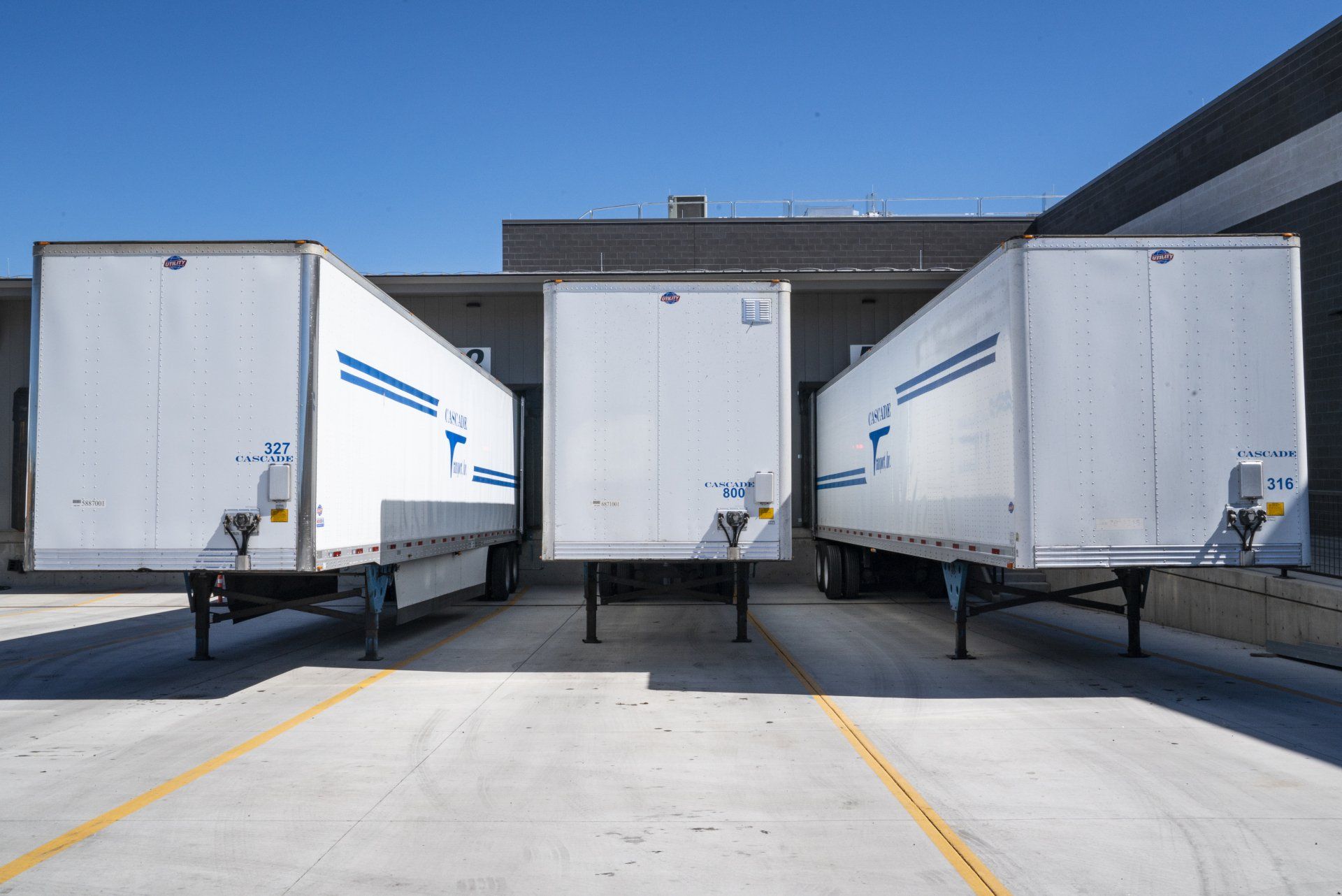
Common Health and Safety Hazards in a Transport Business
Transport businesses can involve a wide range of health and safety risks. These risks are not limited to driving vehicles on public roads; they can also arise in depots, yards, warehouses, loading bays, workshops, customer premises and anywhere employees are required to load, unload, manoeuvre or maintain vehicles.
The hazards will vary depending on the type of transport operation, vehicles used, goods carried and locations visited. Employers should therefore identify the hazards relevant to their own activities, assess the risks and put suitable control measures in place.
Vehicle movements and driving
Vehicle movements are one of the most significant hazards within a transport business. Employees, contractors, visiting drivers and members of the public could be injured if they are struck or crushed by a moving vehicle, particularly during reversing or manoeuvring.
Within depots, yards and loading areas, vehicles and pedestrians should be separated wherever reasonably practicable. This could include designated pedestrian walkways, barriers, crossing points, one-way systems, suitable lighting and clearly identified vehicle routes.
Reversing should be reduced wherever possible, for example by designing traffic routes so vehicles can drive through rather than reverse. Where reversing cannot be avoided, the risks should be assessed and suitable controls introduced.
Driving on public roads also needs to be properly managed. Employers should consider the driver, the vehicle and the journey, including competence, vehicle condition, journey planning, weather conditions and realistic delivery schedules. HSE guidance makes clear that work-related road risks need to be managed as part of an employer's health and safety arrangements.
Loading and unloading
Loading and unloading can expose workers to moving vehicles, forklift trucks, unstable loads, falling objects and trapping or crushing hazards.
Suitable arrangements should be established for loading and unloading vehicles. Drivers should know where to park, where to wait and when it is safe to approach the vehicle. Other people should be kept away from the loading area where necessary.
Loads should be stable and secured appropriately. Consideration should also be given to vehicle movement during loading, including the possibility of a driver pulling away before loading or unloading has been completed.
Where forklift trucks or other mechanical handling equipment are used, pedestrians should be separated from the equipment wherever reasonably practicable. HSE continues to identify inadequate separation between pedestrians and vehicles during loading and unloading as a cause of serious workplace accidents.
Falls from vehicles
Drivers may need to enter and leave vehicle cabs frequently or access trailers, load beds and other parts of vehicles. This can result in falls, particularly where access steps are damaged, surfaces are wet or contaminated, or workers climb onto loads.
The need to work at height should be avoided where possible. Where access is necessary, suitable steps, platforms, handholds or other safe means of access should be provided. Employees should not jump down from vehicle cabs, trailers or load beds.
Tasks such as sheeting, securing loads or checking the top of vehicles should be assessed to determine whether safer methods can be used that avoid workers having to climb onto the vehicle.
Slips and trips
Transport yards, warehouses, vehicle parking areas and loading bays can contain numerous slip and trip hazards. Examples include potholes, uneven surfaces, damaged flooring, discarded packaging, trailing straps, oil or fuel contamination, ice, mud and standing water.
Good housekeeping, suitable lighting, drainage and planned maintenance are important controls. Spillages should be dealt with promptly and pedestrian routes kept clear.
Conditions may also change throughout the working day, particularly in outdoor yards, so inspections and maintenance arrangements should reflect the actual conditions employees encounter.
Manual handling
Transport work can involve frequent manual handling, including moving parcels, boxes, vehicle equipment, pallets, straps and other loads.
Poorly designed or repetitive handling activities can result in musculoskeletal injuries affecting the back, shoulders, arms and other parts of the body. The risk can increase where items are heavy, bulky, unstable or difficult to grip.
Hazardous manual handling should first be avoided where reasonably practicable. Where it cannot be avoided, the task should be assessed and the risk reduced. This could include using mechanical handling equipment, reducing load weights, improving storage arrangements, changing working heights or redesigning the task.
Training in handling techniques can form part of the controls, but training alone will not make an unsuitable manual handling task safe. HSE guidance recommends considering the task, load, working environment, individual capability and available handling equipment.
Fatigue
Fatigue can be a significant risk for professional drivers, particularly where work involves long journeys, night work, early starts, irregular shifts or demanding delivery schedules.
Fatigue can reduce concentration, vigilance and reaction time and can affect a driver's ability to make safe decisions. Work schedules should therefore allow realistic journey times and adequate opportunities for rest.
Drivers should not be placed under pressure to continue driving when tired simply to achieve a delivery time. Employers should also consider the risks associated with employees driving home after particularly long or demanding shifts.
Work-related stress
Transport employees may experience pressure from delivery deadlines, traffic delays, customer demands, long working hours, changing schedules and periods away from home.
Where these pressures are poorly managed they can contribute to work-related stress and may also affect concentration and decision-making.
Employers should consider work-related stress as part of their risk management arrangements. Workloads, working hours and delivery schedules should be realistic, employees should understand their responsibilities and suitable support should be available where concerns are raised. HSE identifies demands, control, support, relationships, role and change as key areas that can contribute to work-related stress.
Lone working
Many drivers and delivery workers spend significant periods working alone. Lone working is not automatically unsafe, but it can increase risk because immediate assistance may not be available if something goes wrong.
Employers should consider foreseeable situations such as vehicle breakdowns, accidents, illness, violence or aggression, remote delivery locations and emergency situations.
Suitable arrangements may include agreed communication procedures, mobile phones or other communication equipment, check-in arrangements and clear procedures for emergencies. HSE specifically identifies delivery drivers as an example of lone workers and advises employers to provide appropriate training, supervision, monitoring and arrangements for keeping in contact.
Managing transport risks
Every transport operation is different. A small van delivery business will not have exactly the same hazards as an HGV haulage company, warehouse and distribution centre or specialist transport operator.
Risk assessments should therefore reflect the actual vehicles, journeys, premises, loads and working practices involved. They should consider employees as well as agency workers, contractors, visiting drivers, customers and members of the public who could be affected.
Effective transport safety depends on practical controls being implemented and maintained, rather than simply having procedures in place. Employees should receive suitable information, instruction and training, vehicles and equipment should be maintained, defects should be acted upon, and arrangements should be reviewed when operations or circumstances change.
IOSH Managing Safely Training helps business owners, directors, managers and staff to better understand their responsibilities.